PART 135 SMS SUPPORT

From readiness question to operating system.

Part 5 implementation requires more than producing a manual. It requires leadership, assigned responsibilities, repeatable processes, training, records, evidence, and continuing operation.

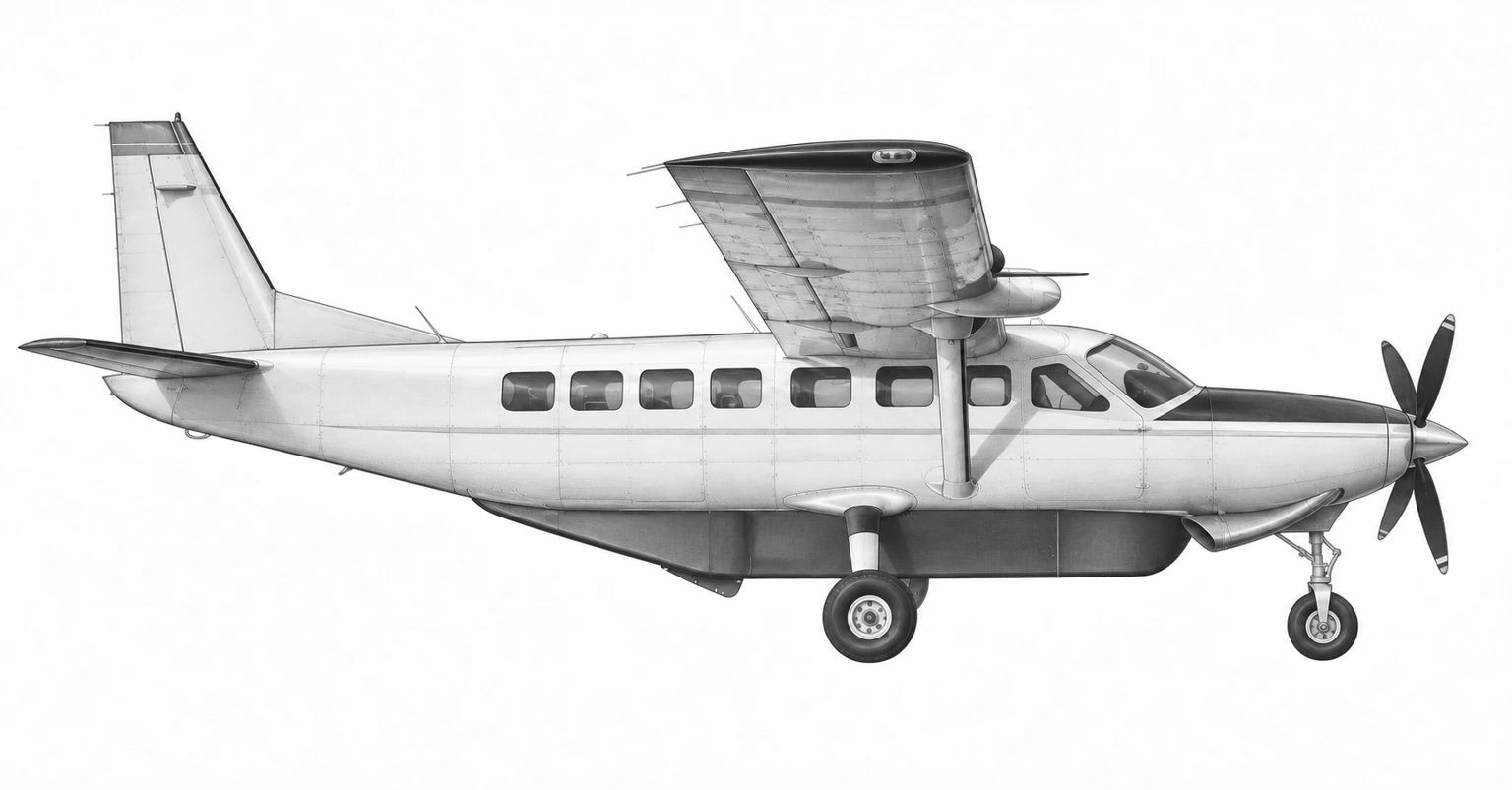
Graphite drawing of a Cessna 208B Caravan with no registration markings.
Phase 2

SMS Implementation Build

Develop and help operationalize the system around the operator.

  • Safety policy, accountability, and role structure
  • Hazard identification and safety-risk management
  • Safety assurance and evidence model
  • Safety promotion, training, and communication
  • Records and document-control structure
  • Implementation workshops and action register
  • Declaration-readiness review and operator-owned submission support

CONNECTED-DOCUMENT CONTROL

SMS changes can ripple across the operation.

The readiness review identifies likely effects on GOM/GMM materials, training, records, maintenance interfaces, reporting, and other controlled documents. Those revisions are not silently included. Neil confirms the need, and each revision receives its own scope, price, and review responsibility.

Aircraft mechanic inspecting a wheel assembly at a maintenance bench.

What this service does not promise

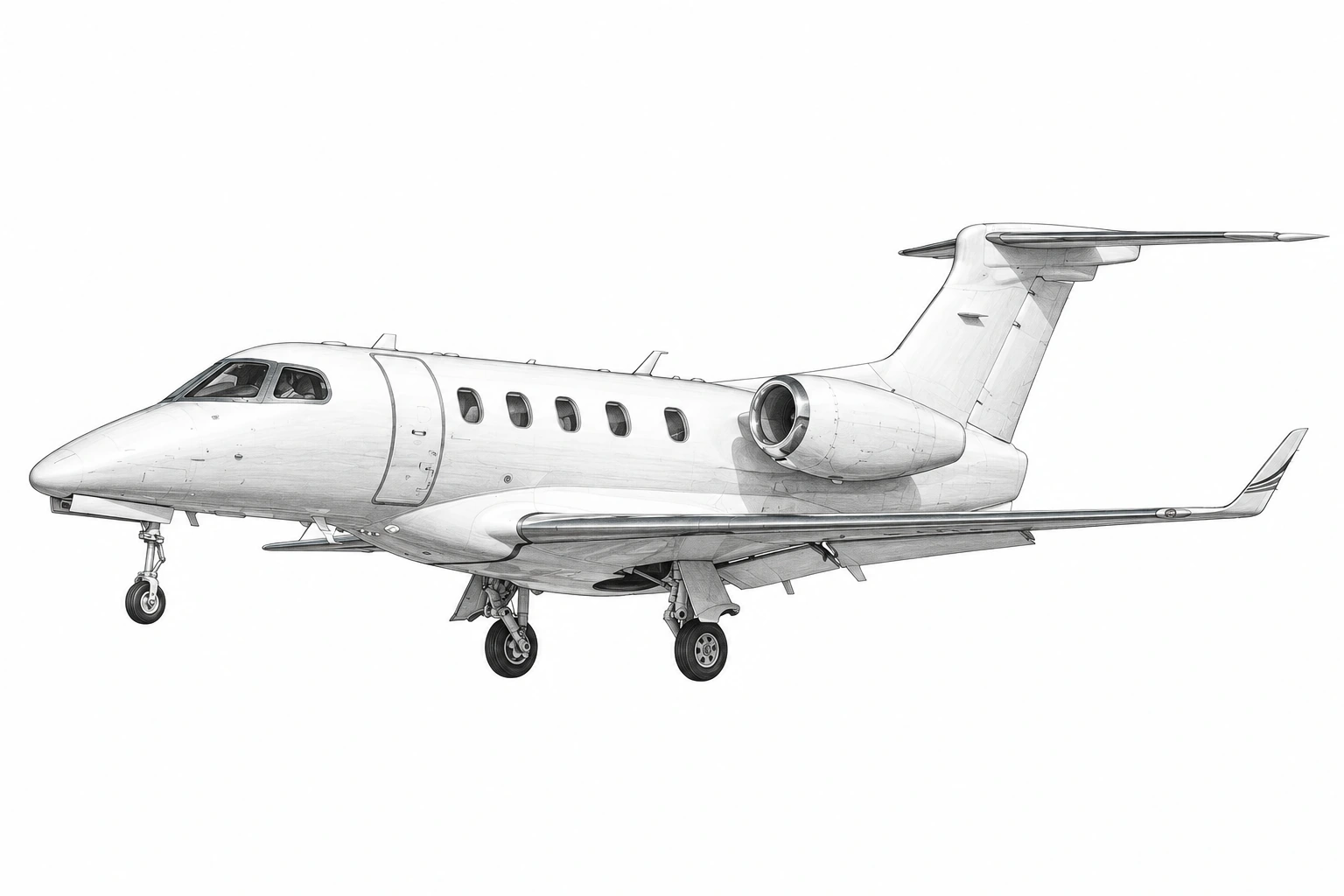
Graphite drawing of an EMB-505 Phenom 300 with no registration markings.
  • No guarantee of FAA acceptance, approval, compliance, or surveillance outcome.
  • No replacement for the operator's accountable executive, legal counsel, or FAA relationship.
  • No autonomous declaration or FAA communication.
  • No unsupervised AI regulatory advice.
  • No hazard-reporting system included in the initial offer — scoped separately if the operation needs one.

Start with the readiness question.

A short conversation can establish whether the operation is a fit and what information is appropriate to collect next.

Request a conversation